
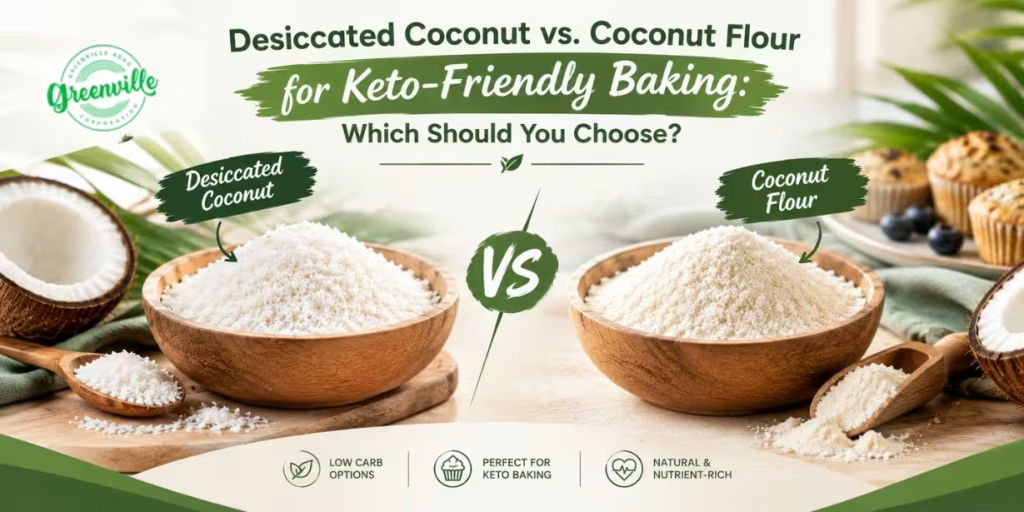
Keto bakers reaching for coconut-based ingredients often land on the same question: desiccated coconut or coconut flour? Both come from the same fruit, both fit comfortably into a low-carb pantry, and both show up constantly in keto recipe roundups. But they behave in very different ways once they hit a mixing bowl, and using one where a recipe calls for the other is one of the more common reasons a keto bake turns out too dry, too dense, or falling apart.
Greenville Agro Corporation, an organic coconut manufacturer in the Philippines, produces both desiccated coconut and coconut-derived ingredients, which makes the distinction a practical one for home bakers and small food businesses building low-carb menus.
What Is the Difference Between Desiccated Coconut and Coconut Flour?
Desiccated coconut is fresh coconut meat that has been grated and dried, retaining most of its natural fat and fiber in a coarse or fine texture, depending on the cut. Coconut flour, by contrast, is made from the coconut meat left over after coconut milk is pressed out. That pulp is dried and ground into a fine, powdery flour, which strips away much of the fat but concentrates the fiber even further.
The result is two ingredients that look similar on an ingredient label but perform almost opposite roles in a recipe.
Carb and Fat Content: What Matters for Keto
Both ingredients are naturally low in net carbs thanks to their high fiber content, which is why they show up so often in ketogenic baking. Desiccated coconut carries more natural fat, aligning well with keto’s emphasis on fat as a primary energy source, and its carb count stays low even though it has not been defatted.
Coconut flour is lower in fat but exceptionally high in fiber relative to its total carbohydrate count, which keeps net carbs low despite its flour-like consistency. For bakers tracking macros closely, checking the label on each product still matters, since fiber and net carb counts vary slightly between suppliers.
How Each One Behaves in a Recipe
Desiccated coconut adds texture and chew. It does not absorb liquid dramatically, so it works well folded into a batter or used as a coating without changing the overall structure of a recipe. Coconut flour is the opposite: it is extremely absorbent, soaking up several times its volume in liquid, which means recipes built around it typically call for more eggs and liquid than a standard flour recipe to avoid a dry, crumbly result.
Swapping one for the other without adjusting the rest of the recipe is the most common mistake keto bakers make with these two ingredients.
Best Keto Recipes for Each
Desiccated coconut shines in keto macaroons, granola clusters, low-carb energy bites, and as a crunchy coating for baked chicken tenders or fish. Coconut flour is better suited to keto bread, pancakes, muffins, and other baked goods that need actual structure, since it functions as a genuine flour substitute rather than a mix-in.
Can You Use Them Interchangeably?
Generally, no. Because coconut flour absorbs so much more liquid, a direct one-to-one swap will not work in most recipes. Some bakers combine both in the same recipe, using coconut flour for structure and desiccated coconut for texture and flavor, but that combination usually requires a recipe written specifically for it rather than substituting on the fly.
Choosing the Right One for Your Keto Baking
Before picking an ingredient, it helps to consider:
- Whether the recipe needs structure (coconut flour) or texture and mix-in flavor (desiccated coconut)
- Whether the recipe was written specifically for one ingredient, since substitutions rarely work without adjustment
- Whether an unsweetened, organic version fits your label goals
- How the ingredient will be stored, since both are shelf-stable but benefit from an airtight container
Baking with Confidence
Desiccated coconut and coconut flour both earn their place in a keto pantry, but they are not substitutes for one another. Understanding what each one does in a recipe, texture versus structure, is the difference between a keto bake that works and one that needs a second attempt.
Greenville Agro Corporation supplies organic, unsweetened desiccated coconut sourced and processed in the Philippines, giving keto bakers and food businesses a dependable ingredient for low-carb recipes. Contact us to learn more about our desiccated coconut range or explore our blog for more baking insights.